Intensive Therapy
Pediatric Intensive Therapy Program
Helping Children Build Strength, Movement, and Independence
When your child is working hard to learn new developmental skills, progress can sometimes feel slow. Our Pediatric Intensive Therapy Program is designed to help children make meaningful progress in a shorter period of time through focused, high-frequency therapy sessions.
This program combines advanced pediatric therapy techniques, specialized equipment, and evidence-based interventions to support children with developmental delays, motor challenges, neurological diagnoses, and coordination difficulties.
By providing concentrated therapy sessions, children receive the repetition and practice their brains and bodies need to build new skills.
At the core of our approach is neuroplasticity—the brain’s natural ability to grow, adapt, and form new connections through movement and experience.
Our intensive therapy model helps children:
-
Strengthen movement patterns
-
Improve balance and coordination
-
Develop functional motor skills
-
Build confidence and independence
Dynamic Movement Intervention (DMI Therapy)
Dynamic Movement Intervention (DMI) is a specialized pediatric therapy approach designed to stimulate the brain and encourage the development of new motor milestones.
DMI therapy works by challenging the child’s body in carefully supported positions that encourage the brain to activate the next level of movement.
Unlike traditional therapy that may focus on repeating existing skills, DMI therapy encourages the brain to develop new movement patterns by safely exposing children to gravity and progressively reducing support.
Benefits of DMI Therapy for Children
-
Improves postural control and trunk stability
-
Develops balance and coordination
-
Encourages independent movement
-
Supports milestones such as sitting, standing, and walking
-
Strengthens brain-body communication
DMI is commonly used in intensive pediatric therapy programs for children with developmental delays, neurological conditions, and motor impairments.
Universal Exercise Unit (UEU) – The Spider Cage
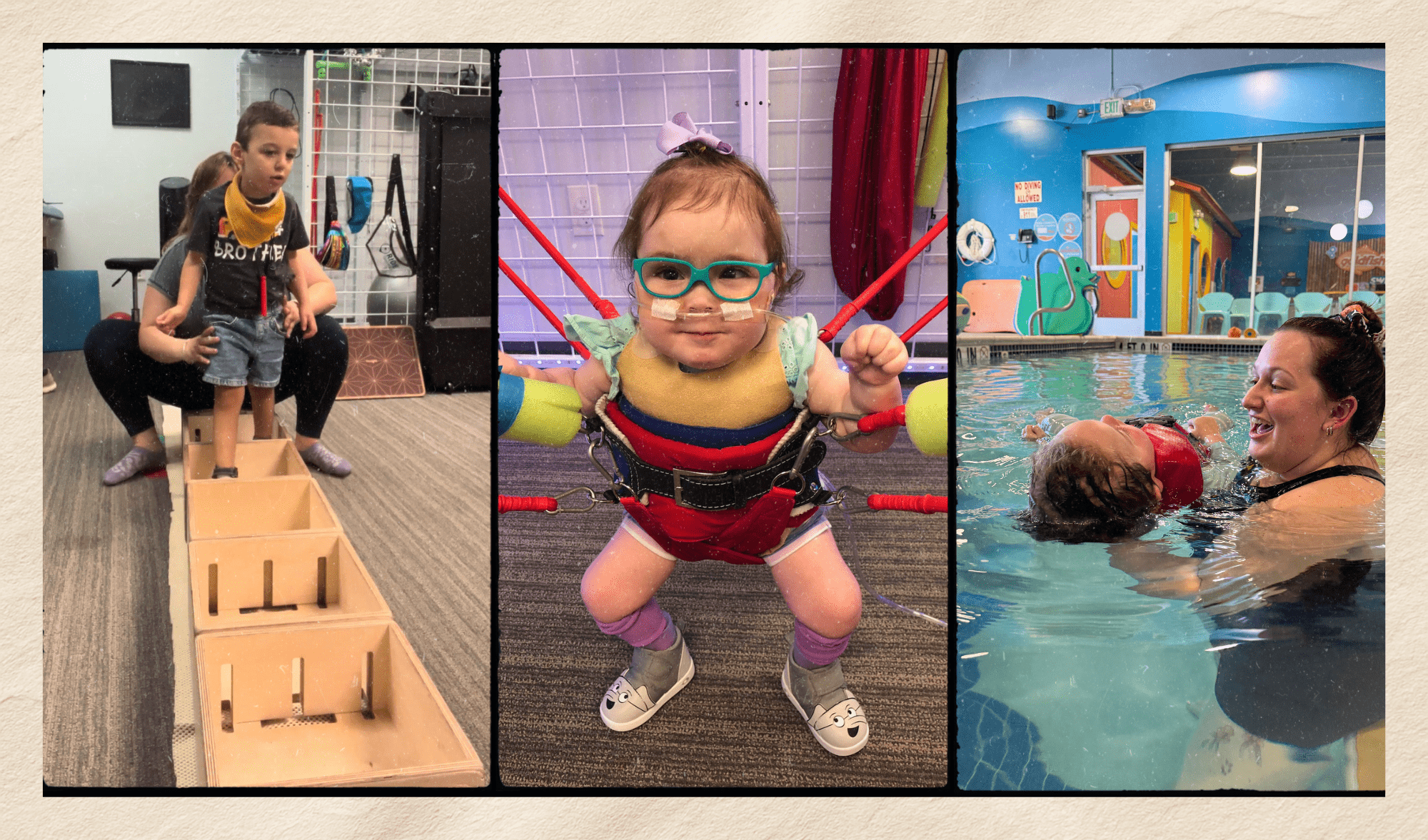
The Universal Exercise Unit (UEU), often referred to as the Spider Cage, is a specialized pediatric therapy system used to strengthen muscles and improve functional movement patterns.
The system includes pulleys, elastic cords, straps, and weights that allow therapists to safely support children while targeting specific muscle groups.
The Spider Cage creates an environment where children can safely practice movements that may otherwise be difficult or impossible without support.
The Spider Cage Helps Children:
-
Practice standing and weight-bearing
-
Improve posture and body alignment
-
Build core strength and stability
-
Develop balance and coordination
-
Learn transitions between sitting, standing, and stepping
This system is commonly used in pediatric physical therapy intensives and neurological rehabilitation programs for children.
Task-Specific Electrical Stimulation (TASES)
Task-Specific Electrical Stimulation (TASES) is an evidence-based therapy technique used by pediatric occupational therapists and physical therapists to improve muscle activation during functional movement.
TASES uses gentle electrical stimulation to activate specific muscles while the child performs real-life movements such as reaching, standing, walking, or grasping.
This technique helps retrain the connection between the brain and muscles.
Benefits of TASES Therapy
-
Improves range of motion
-
Reduces muscle stiffness and spasticity
-
Strengthens weak muscle groups
-
Improves posture and alignment
-
Enhances coordination and neuromuscular control
TASES can be especially beneficial for children with neuromuscular conditions, cerebral palsy, and motor delays.
Whole Body Vibration Therapy for Children
Whole Body Vibration (WBV) is a pediatric therapy technique that uses a vibration platform during therapeutic play and movement exercises.
The gentle vibration stimulates muscles and sensory systems, helping children activate their muscles more effectively during therapy.
Whole Body Vibration Therapy May Help Improve:
-
Posture and stability
-
Balance and coordination
-
Muscle strength
-
Sensory processing
-
Body awareness (proprioception)
-
Effects of muscle stiffness or spasticity
Whole body vibration is often incorporated into pediatric intensive therapy programs to enhance sensory input and support stronger movement patterns.
Aquatic Therapy
Aquatic Therapy is a specialized pediatric therapy approach that uses the natural properties of water to support movement, strength, and motor learning.
The water environment provides natural support and resistance, allowing children to practice movements in a safe and motivating setting. The warmth and pressure of water can also help relax muscles, improve sensory regulation, and increase comfort during movement practice.
Aquatic therapy is especially helpful for children who may struggle with gravity-based movement on land.
Aquatic Therapy Helps Children:
-
Improve balance and coordination
-
Increase muscle strength and endurance
-
Reduce muscle stiffness and spasticity
-
Improve sensory regulation and body awareness
-
Practice functional movements with less joint stress
Aquatic therapy is often used for children with developmental delays, neurological conditions, and motor control challenges.
Why Intensive Pediatric Therapy Can Accelerate Progress
Children learn movement through practice, repetition, and meaningful experiences. Intensive therapy provides a concentrated schedule of therapy sessions that allows children to practice new skills more frequently.
This focused approach can help children:
-
Build strength faster
-
Improve motor planning
-
Develop new movement skills
-
Gain confidence in their abilities
Our goal is to help every child move closer to greater independence, mobility, and participation in daily life.
Schedule a Consultation for Intensive Therapy
If you are looking for pediatric intensive therapy, DMI therapy, occupational therapy, or physical therapy for your child, our team is here to help.
We work with families to determine whether an intensive therapy program is the right fit for their child’s goals and developmental needs.
 Contact our clinic today to schedule a consultation and learn how intensive therapy can support your child’s progress.
Have more questions?
Feel free to contact us to talk about your needs or set up an appointment.